




· By Hannah Sutter
Keto-Friendly High-Fibre Snacks: What to Look For
KETO-FRIENDLY HIGH-FIBRE SNACKS: WHAT TO LOOK FOR
Finding a decent keto snack with actual fibre is way harder than it needs to be. Go down any grocery aisle and you'll see the exact same pattern. Half the "keto" options rely on synthetic fillers and artificial sweetening agents to keep net carbs down. The rest use whole foods, but secretly load up on fruit concentrates and hidden sugars that blow right past your daily limits.
Here is how to separate clean food from clever marketing when you are checking labels.
WHY LOW-CARB DIETS FALL SHORT ON FIBRE
When you cut out grains, fruits, and starchy veggies, your daily fibre numbers plummet fast. That sudden drop is usually why people on keto run into sluggish digestion, stomach discomfort, and random afternoon hunger crashes.
Adding quality fibre into your daily routine slows down digestion, keeping you full without triggering blood sugar spikes. That said, a high fibre number on the front wrapper doesn't automatically make something keto-safe. You still have to look at fat quality, total carbs, and sneaky sweeteners.
READING PAST THE PACKAGING CLAIMS
Ignore the flashy "keto-certified" text on the front of the box. Turn it around and look straight at the ingredient panel.

Start by checking the serving size first. Plenty of brands divide a tiny 40g bar into two separate servings on paper just to make the carb count look artificially low. Next, check where that fibre comes from. Cheap synthetic fibres just add bulk, but functional plant fibres like chicory root do double duty by offering prebiotic perks for your gut while keeping net carbs minimal.
You should also look past "zero sugar" claims and scan for hidden glucose drivers. Syrups, fruit juice concentrates, and honey often hide behind complex names.
Fat sources are another dead giveaway. Stick to whole sources like coconut oil, almonds, or seeds, while steering clear of cheap, highly processed seed oils like sunflower, soy, or canola. Finally, watch out for sugar alcohols. Erythritol, maltitol, and synthetic sweeteners keep carbs low on paper, but they frequently lead to severe bloating, cramps, and gas. Choosing zero-sweetener options avoids those gut issues completely.
THE FATT CLEAN KETO APPROACH
We don't believe in using chemical shortcuts or lab-made sweeteners just to hit a macro target.
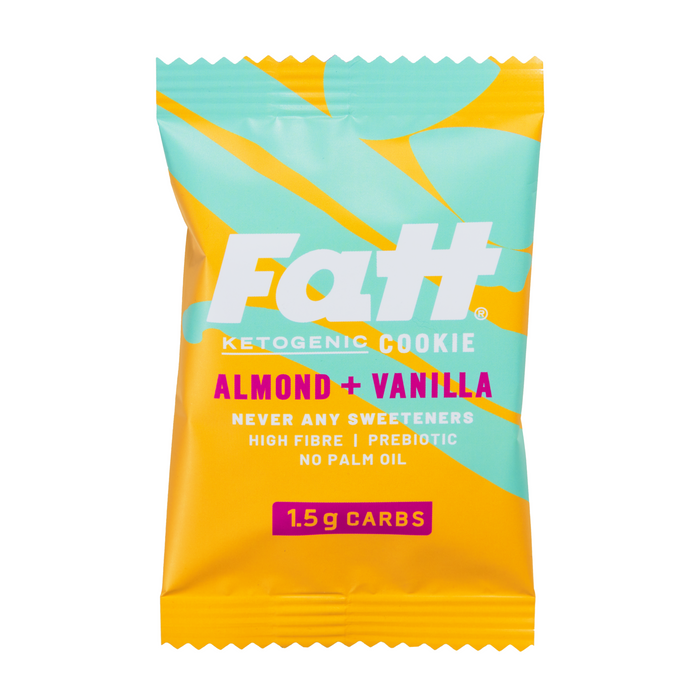
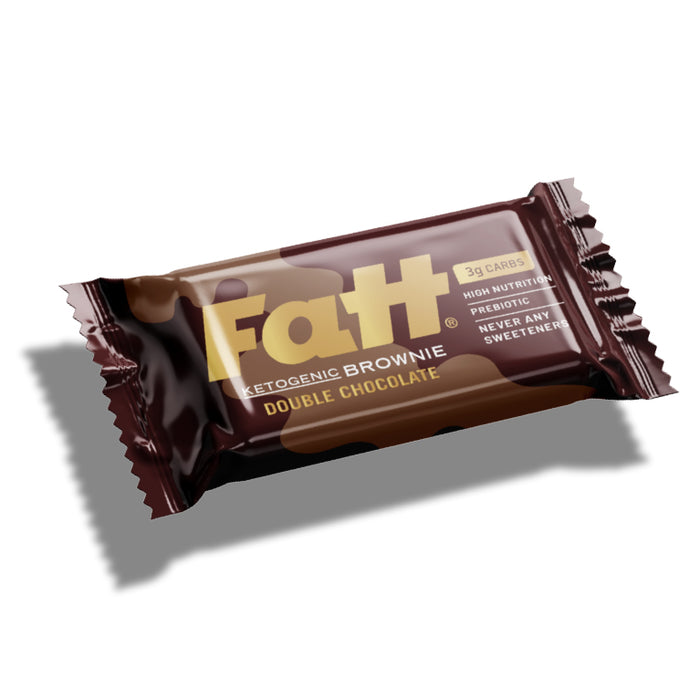
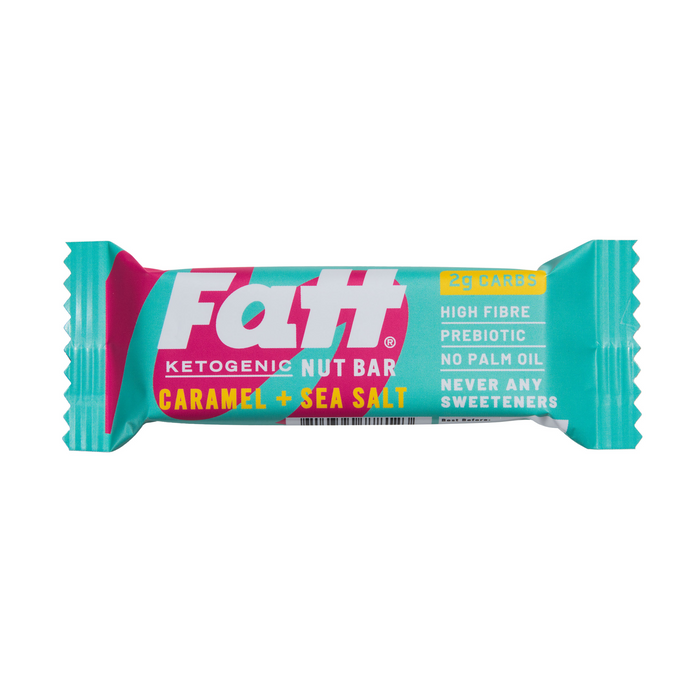
Our Clean Keto approach keeps things straightforward: minimal carbs, low sugar, zero sweeteners, no seed oils, and real chicory root for prebiotic fibre. By combining chicory root with real nuts and seeds, FATT delivers a clean, UK-made snack that supports gut health without causing stomach distress or knocking you out of ketosis.

FAQS
Is it actually possible to find keto snacks with zero sweeteners?
It's rare, but yes. Most brands rely on stevia, erythritol, or sucralose to cover up bitter ingredients. Checking the back label for a recipe made without any sweeteners ensures you get a clean, whole-food product without the chemical aftertaste or GI trouble.
Will prebiotic fibre kick me out of ketosis?
No. Your body doesn't break down prebiotic fibre the way it processes simple carbohydrates, so chicory root passes through your upper digestive system with virtually no impact on blood glucose or ketosis.
What's the difference between regular fibre and prebiotic fibre?
Standard insoluble fibre simply provides bulk to keep your digestive system moving. Prebiotic fibre takes things further by acting as a food source for the beneficial bacteria living in your gut, helping maintain overall microflora balance.
SUMMARY
Picking out a solid high-fibre keto bar comes down to ignoring the front packaging and reading the fine print on the back. Once you know how to spot quality prebiotic sources and avoid cheap seed oils or harsh sweeteners, choosing the right snack gets simple.
If you're after a low-carb, sweetener-free bar packed with real chicory root, check out FATT's Clean Keto range to keep your energy steady.